Visuals play a powerful role in how children learn. The images used in early learning environments shape how children understand the world, build language, and make connections.
While cartoon visuals are common, they are not always the most effective choice. Real images provide a clearer, more meaningful way for children to learn.
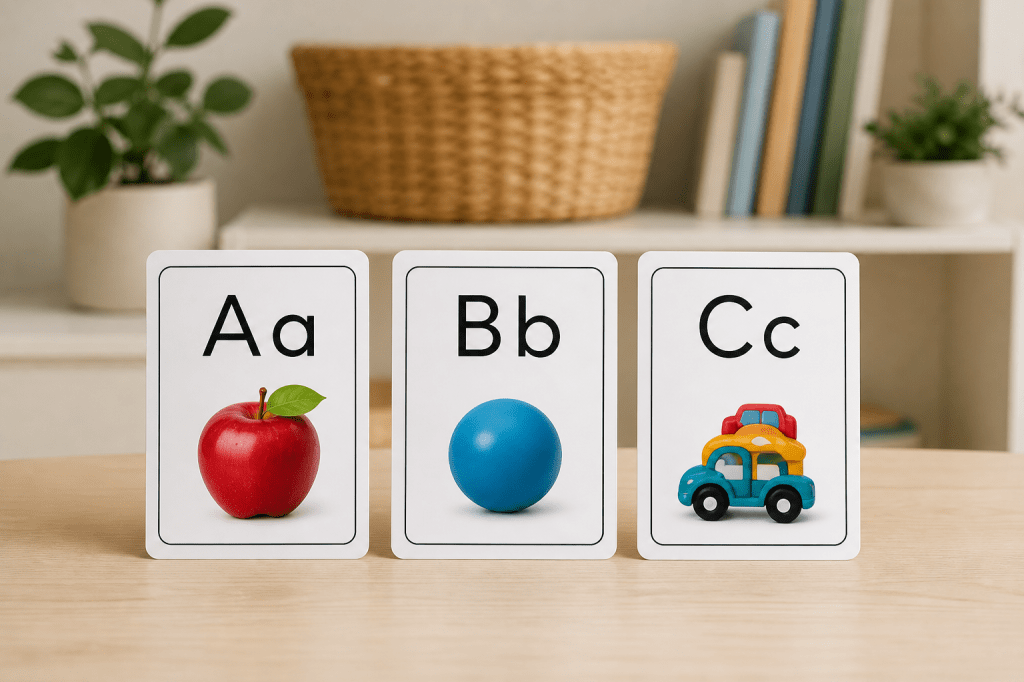
Why Real Images Matter
Young children learn best when they can connect what they see to real life. Real images show objects as they actually exist, helping children build accurate understanding and stronger associations.
This supports:
- clearer recognition
- stronger vocabulary development
- better connections to real-world experiences
The Problem with Cartoon Visuals
Cartoon images are often:
- overly bright
- cluttered with unnecessary details
- not realistic representations
While they may seem engaging, they can overwhelm children and make it harder to focus on what truly matters.
How Real Images Support Learning
Real images simplify the learning process.
They:
- reduce visual clutter
- support focus and attention
- provide clear, concrete meaning
This is especially important for children who benefit from calm, structured environments.
Supporting Language Through Meaningful Visuals
When children see real images, they are better able to connect words with what they represent. This strengthens both expressive and receptive language.
Pairing real images with tools like ASL creates even stronger connections and supports communication in multiple ways.
A Simple Shift That Makes a Big Impact
Changing the visuals you use is a simple adjustment that can have a meaningful impact on how children learn.
A calm, intentional environment supports better focus, stronger connections, and more effective learning.
A Simple Tool to Get Started
Using consistent visuals can make this transition easier.
ASL alphabet posters that pair real images with sign language provide a simple way to support language development while creating a calm, intentional learning environment.
https://intentionalclass.etsy.com
Final Thoughts
Children don’t need more stimulation—they need more intention.
Using real images instead of cartoons is a simple but powerful way to support learning, reduce overwhelm, and help children build meaningful connections.
 The Intentional Classroom Co
Leave a comment