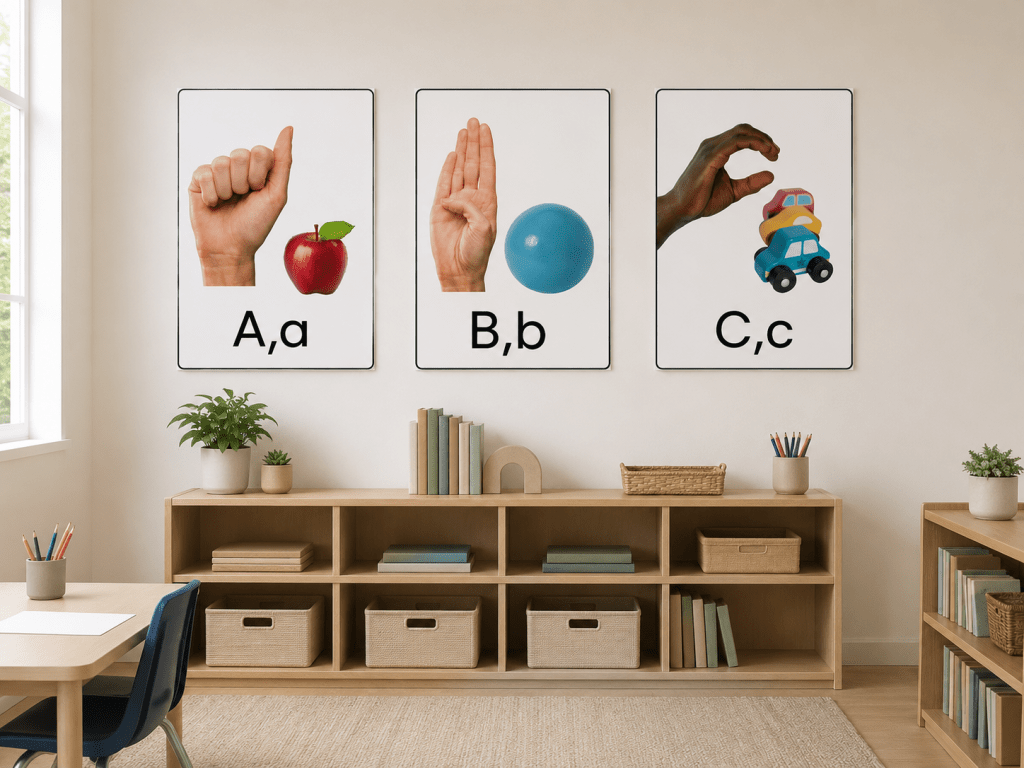
If you’ve ever walked into a preschool or kindergarten classroom, you’ve probably seen bright clipart, cartoon posters, and busy visuals everywhere. It’s colorful—but is it actually helping children learn?
More and more educators are shifting toward something simpler and more powerful: real images (photographs). And the reason is grounded in how young children learn.
Real Images Match How Young Children Think
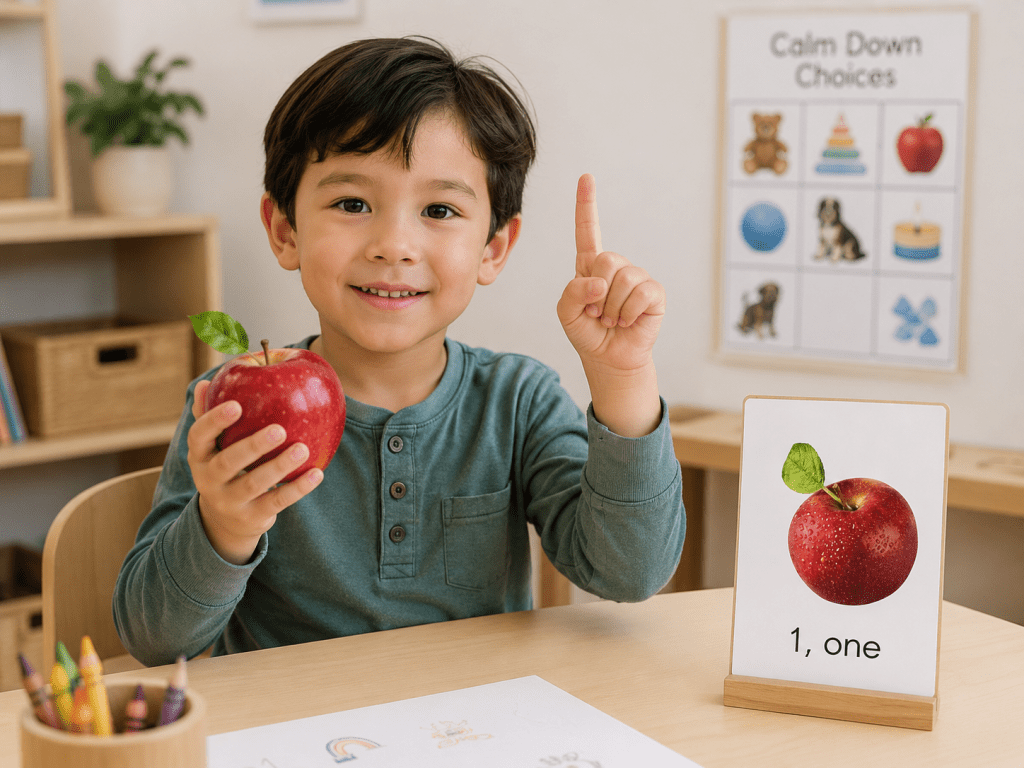
Young children are still developing their understanding of the world. They learn best through concrete, real experiences, which is a key part of cognitive development.
When we show:
- A real photo of an apple → children recognize it in real life
- A cartoon apple → it may confuse or oversimplify what they’re learning
Real images help children:
- Build accurate mental representations
- Make stronger real-world connections
- Reduce confusion during early learning
Young children learn best through concrete, real-world experiences. Because they are still developing abstract thinking skills, they often understand concepts more easily when visuals closely resemble what they see in everyday life. Real images provide accurate representations of people, objects, emotions, and environments, helping children make meaningful connections to their own experiences.
Photographs of real people and situations support emotional recognition, vocabulary development, and comprehension by providing clear and authentic examples. In contrast, cartoon images may exaggerate features or emotions, making it more difficult for young children to interpret and apply what they see to real-life situations.
By using real images, educators and families create learning experiences that are more meaningful, relatable, and easier for children to understand. This helps strengthen language development, build background knowledge, and support deeper learning.
Real Images Strengthen Language and Communication
Photographs naturally invite conversation.
Instead of one-word answers, children begin to:
- Describe what they see
- Ask questions
- Make connections to their own experiences
Language develops through meaningful interactions and connections to the world around us. Real images provide children with clear, accurate visuals that help them identify, describe, and discuss what they see. Because photographs closely reflect real-life experiences, children can more easily connect new vocabulary to familiar people, objects, and situations.
Real images also encourage richer conversations. Children are more likely to ask questions, share observations, and make personal connections when visuals accurately represent their everyday experiences. These discussions help expand vocabulary, improve comprehension, and strengthen communication skills.
By supporting meaningful language interactions, real images help children build the strong communication foundation needed for future learning and social success.
Real Images Support All Learners
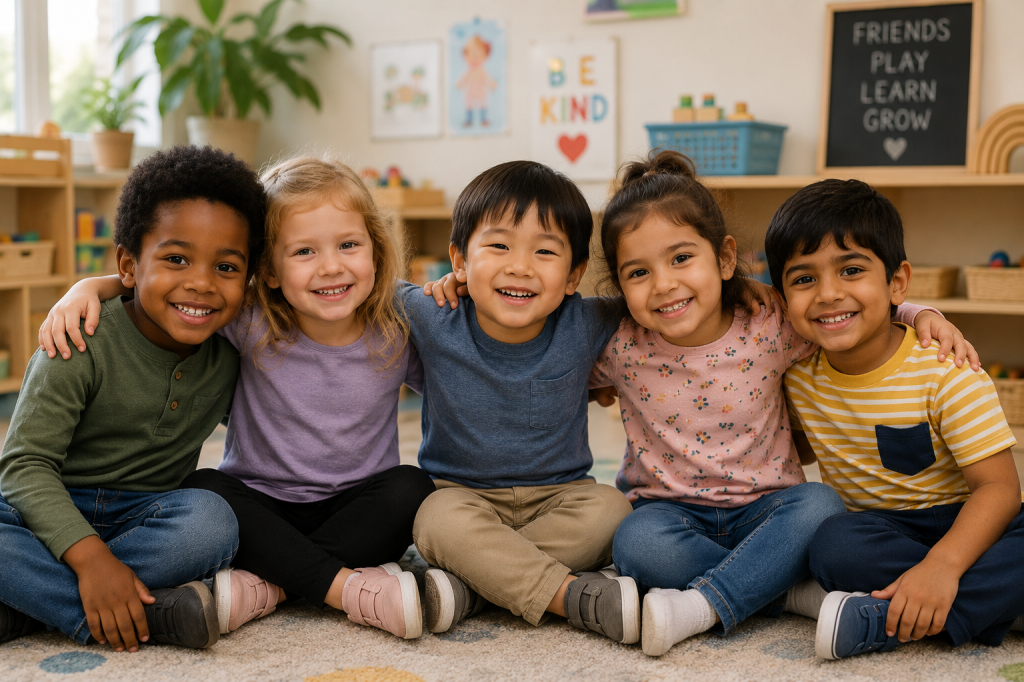
Real images are especially powerful for:
- Dual language learners
- Children with speech or language delays
- Children who benefit from visual supports
Because photos are clear and recognizable, they:
- Improve comprehension
- Reduce frustration
- Support communication
Every child learns differently, and visuals play an important role in helping children understand new concepts. Real images provide clear, concrete examples that can support a wide range of learning styles, abilities, and developmental needs. Because photographs closely reflect the real world, they reduce confusion and make information easier for children to process and understand.
Real images can be especially beneficial for children who are learning English, developing language skills, or requiring additional support with communication and comprehension. They provide visual context that helps children connect words, concepts, and experiences more effectively.
By offering authentic and accessible visual supports, real images help create inclusive learning environments where all children can engage, participate, and build confidence in their learning.
Real Images Reflect Real Life and Real People
Using real photographs allows you to:
- Show authentic diversity
- Represent real families, cultures, and communities
- Connect learning to children’s actual lives
Young children are naturally curious about the world around them. Using real images helps children make meaningful connections between what they are learning and the people, places, and experiences they encounter in everyday life. Photographs provide authentic representations of emotions, objects, environments, and relationships, helping children build a more accurate understanding of the world.
Real images also promote inclusivity by exposing children to diverse people, families, cultures, and experiences. Seeing real individuals represented in learning materials helps children develop a sense of belonging while also fostering respect and appreciation for others.
By reflecting real life and real people, photographs create learning experiences that are relevant, meaningful, and easier for children to understand and apply beyond the classroom.
Final takeaway
Using real images isn’t just about aesthetics—it’s about aligning your classroom with how children actually learn.
Real images help children:
- Understand the world more clearly
- Build stronger language skills
- Stay focused and regulated
- Make meaningful connections
If you’re building a calm, intentional classroom (or creating resources for one), this shift alone can completely change how children engage with your space.
For more information and posters to support a realistic, calm classroom visit the following:
 The Intentional Classroom Co
Leave a comment